
Hotel Booking Mistakes Travelers Make

The biggest hotel booking mistakes travelers make are comparing the wrong price, skipping the policy, and assuming the room details will match the photo. If you check the all-in total, the cancellation terms, the exact room setup, and the location before you pay, you avoid most of the surprises that turn a decent rate into a bad stay.
Expand key insights ▾
- The cheapest rate is rarely the cheapest stay.
- Total price matters more than the headline price.
- Policies, room type, and location change the value fast.
- A few checks before booking prevent most regrets.
Table of Contents
- What is the biggest hotel booking mistake?
- Why do hotel prices change so much from one site to another?
- Should you always pick the room with free cancellation?
- How do location mistakes hurt hotel value?
- Do reviews and star ratings tell the whole story?
- What should you do if you booked the wrong hotel night?
- Why do hotel safety tips like the water bottle test matter?
- What are the most common travel mistakes beyond hotel booking?
- How do you avoid booking the wrong hotel room size or guest count?
- Frequently Asked Questions
Hotel booking mistakes usually come down to one thing: travelers compare the wrong details. They look at the headline rate, skip the policy, trust the room name, or assume breakfast, parking, and fees are included. That is how a “good deal” turns into a higher total bill and a stay that does not match expectations.
These hotel booking mistakes matter even more on resort trips, where the room rate is only part of the cost. If you book in Mexico or the Caribbean, the final number can change fast once you compare taxes, fees, and cancellation terms. That is also why a side-by-side search matters. Why One Search Changes Everything shows the value of comparing the same stay in one place before you commit.

Travel Elite Pass: Hotel Booking Mistakes Travelers Make
What is the biggest hotel booking mistake?
The biggest mistake is booking the lowest advertised rate without checking the total cost and the room details. A cheap-looking room can carry resort fees, parking, taxes, breakfast charges, or a worse location that adds ride-share costs later. The real price is what you pay, not what the search result first shows you.
That same mistake also shows up when travelers assume the room type is obvious. A “standard room” may mean two different bed setups, a smaller footprint, or a view that faces a wall. If the trip matters, read the room description line by line before you pay.
- Compare the all-in total, not the first number you see.
- Check whether breakfast, parking, and Wi-Fi are included.
- Confirm bed type, view, and cancellation terms.
On all-inclusive stays, the trap is worse because one low headline price can hide add-ons that change the total. If you are comparing resort pricing across brands and sites, the details matter more than the photo carousel. That is where a membership search can help, because it puts the member-only rate beside the public rate in one flow. the truth about member only hotel rates explains why that comparison is worth doing before you book.
Why the cheapest rate can cost more later
Low headline prices often leave out the extras that show up after checkout. In hotel shopping, the room itself is only part of the trip cost. If the property is far from where you need to be, transportation can erase the difference fast.
| Check | Why it matters | What to confirm |
|---|---|---|
| Total price | Headline rate can miss extra costs | Taxes, resort fees, parking, breakfast |
| Policy | Flexible and strict rates differ | Last free-cancel date, prepayment, refunds |
| Room details | Room names can be misleading | Bed type, view, room setup |
| Location | Cheap rates can add transport cost | Distance to plans and extra ride-share |
| Included perks | Listings can look similar at a glance | Wi‑Fi, breakfast, parking |
| Guest count | Occupancy affects access and rules | Maximum occupancy and extra-person fee |
Also Read
Why One Search Changes EverythingWhy do hotel prices change so much from one site to another?
Hotel prices change because sites may show different room classes, different cancellation terms, or different included perks. One rate may be refundable and another may not. One may include breakfast or a resort package, while another looks lower because it leaves those costs out.
This is one of the most common hotel booking mistakes because the listings look similar at a glance. They are not. A better comparison starts with the same dates, the same room type, and the same policy, then moves to the total price. If you want to understand why the number on screen keeps moving, Why Travel Prices Don't Wait breaks down the timing side of pricing.
Another reason prices differ is inventory. The room you want may be held back on one site, sold out on another, or bundled with different terms. That is why two searches for the same hotel can feel like two different products. You are not just comparing a room. You are comparing rules.
For travelers who want to move faster, one search across hotels, flights, cars, and activities keeps the comparison cleaner. Why One Search Changes Everything is a useful companion if you are trying to avoid bouncing between tabs.
Also Read
Why Travel Prices Don't WaitShould you always pick the room with free cancellation?
Not always. Free cancellation is useful when your dates might move, but it can come with a higher rate. A non-refundable room can look cheaper upfront, yet it becomes expensive if your plans change.
The smarter move is to decide based on your trip risk. If your flights, work schedule, or family plans are still unstable, flexibility may be worth the higher price. If your dates are fixed and you are sure about the stay, a stricter rate may be fine as long as you understand the penalty.
- Use flexible rates for uncertain trips.
- Use stricter rates only when the dates are locked.
- Read the refund window before you pay.
This is also where travelers miss the real comparison. A flexible booking can look more expensive, but that extra cost may buy you a much safer exit if plans change. If you book with a membership platform, check whether the member rate is flexible or final sale before you decide. ota vs direct booking helps frame that trade-off more clearly.
Please note: if the rate does not publish a clear cancellation window, do not guess. Confirm the last free-cancel date, any prepayment rule, and whether taxes or fees are refundable before you pay.
What to check in the policy
Look for the last free-cancel date, any prepayment rules, and whether taxes or fees are refundable. Those details matter more than the label on the room. The policy text is where the real risk sits.
How do location mistakes hurt hotel value?
Location mistakes happen when travelers buy the cheapest room and ignore the time and transport cost that come with it. A lower nightly rate can be a bad trade if you spend more getting to restaurants, beaches, meetings, or attractions.
This is especially true on resort trips, where the hotel may be the whole vacation. A property that looks inexpensive on paper may still lose on value if it adds shuttle fees, long transfers, or extra meals off-site. For travelers comparing resort pricing across the Caribbean and Mexico, Travel You Can Trust, Savings You Can See is a helpful next read because it keeps the focus on total value instead of the first number on screen.
Better value usually comes from matching the stay to the trip purpose. Business travelers care about access and speed. Leisure travelers may care more about beach access, meal coverage, and what is included on property. That is why a hotel far from your plans can become the most expensive option, even if the nightly rate is lower.
One practical habit helps here: map the trip before you book. If you know where you will spend most of your time, you can stop paying for convenience you will not use. That is a cleaner way to avoid one of the most expensive hotel booking mistakes.
Do reviews and star ratings tell the whole story?
No. Reviews can reveal patterns, but they do not replace the booking details. A property with polished photos can still have noisy rooms, weak Wi-Fi, slow service, or fees that were not obvious at first glance. Star ratings also tell you more about the property class than the trip fit.
The useful habit is to look for repeated comments, then match them against your own priorities. If several recent reviews mention cleanliness, noise, or billing surprises, that matters more than one perfect score. The same is true in reverse. A few complaints do not always mean a bad stay if they do not affect what you care about.
- Read recent reviews, not just old ones.
- Look for repeated complaints.
- Match the feedback to your own trip needs.
One reason this matters is that photos rarely show the parts travelers regret later, such as an awkward room layout or a noisy corridor. Reviews sometimes do, but only if you read them for patterns instead of stars. If you want a more structured way to compare stays, how to compare hotel prices without getting misled is a practical follow-up.
What repeated complaints usually mean
When the same issue shows up again and again, it is usually a property pattern, not a one-off. That is the kind of signal worth trusting. One isolated complaint is noise. Ten similar ones are a warning.
What should you do if you booked the wrong hotel night?
Act fast. The sooner you contact the hotel or booking provider, the better your chance of fixing the dates without paying for a full mistake.
Start with the reservation confirmation and check the exact rules. If the booking is refundable or changeable, ask for a date correction instead of canceling and rebooking. If the stay is nonrefundable, still ask politely for a one-time adjustment. Hotels are often more flexible when you reach out immediately and explain clearly.
Have your new dates ready before you call. If the hotel cannot move the stay, ask whether they can cancel the booking with a lower fee so you can rebook the correct night. If you used a third-party site, contact both sides. Sometimes the hotel can approve the change, but the booking platform has to process it.
Do not wait until check-in day. If the wrong-night booking sits untouched, the room may be marked as a no-show and the hotel can release it to someone else. That can turn a simple date typo into a bigger loss.
One practical habit is to read the confirmation as soon as it arrives. Check the hotel name, dates, number of guests, and room type before you forget. A 30-second review can save a lot of stress later.
If you want someone to handle the back-and-forth for you, Travel Elite Pass can help with the booking details so you are not stuck sorting it out alone.
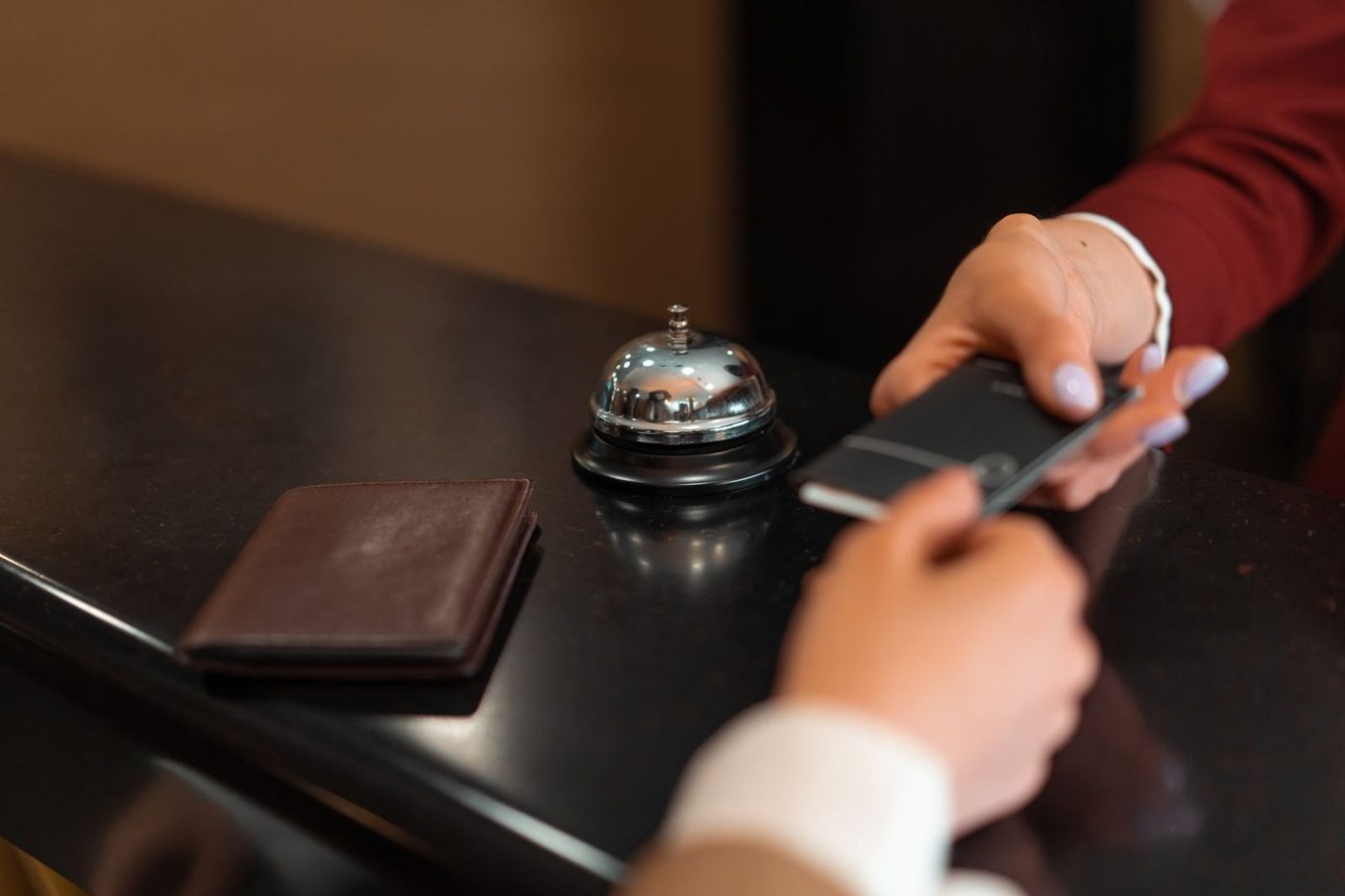
Hotel Booking Mistakes Travelers Make
Why do hotel safety tips like the water bottle test matter?
They matter because they help you notice a room problem before it becomes a bigger issue. Simple checks can tell you whether the room is truly safe, quiet, and ready for you.
The water bottle under the bed tip is a basic way to see if anything is hidden in a dark area you might not inspect closely. It is not about fear. It is about taking five seconds to look under the bed without getting on the floor. If the bottle rolls through cleanly, you have a quick visual check. If it catches on something, you know to look more carefully.
The 15/5 rule is also about awareness. Many travelers use it to mean giving yourself 15 minutes to settle in and 5 minutes to scan the room, exits, locks, and basics like outlets, temperature, and smoke alarms. The exact version can vary, but the idea is the same: do a fast room check right away, not later.
These habits are useful because hotel photos and star ratings do not show everything. A room can look great online and still have a broken lock, noisy hallway, or overlooked maintenance issue. A quick scan helps you catch problems early so you can ask for another room while there is still time to change it.
You do not need to turn a hotel stay into a project. Just check the room, trust your instincts, and report anything that feels off. Small steps can make your stay calmer and safer.
If you would rather book with fewer surprises, Travel Elite Pass can take care of the details and help you choose more confidently.
What are the most common travel mistakes beyond hotel booking?
The biggest travel mistakes are usually the simple ones: booking the wrong dates, forgetting to check policies, overpacking, and assuming every detail will work itself out.
One common mistake is not building in margin. Travelers often schedule a flight, transfer, and hotel check-in too tightly. A delay then turns into missed transport, a stressed arrival, or extra fees. Leave a buffer when you can.
Another mistake is not reading the fine print on basics like breakfast, parking, Wi-Fi, resort fees, and check-in times. A room that looks cheaper can cost more once those extras are added. The same is true for late arrivals if the hotel has limited front desk hours.
People also underestimate how much a little planning matters for their actual trip comfort. Think about what you will need after landing, not just what looks good on the listing. Will you have a charger, cash for taxis, the right adapter, or a backup plan if plans change?
Finally, do not rely only on memory. Save confirmations, set calendar reminders, and keep key details in one place. That helps you avoid the kind of small slip that can cascade into a bigger problem later.
The main idea is simple. The best trips are usually not the most complicated ones. They are the ones where the important details are checked once, early, and clearly.
If you want a smoother process from the start, Travel Elite Pass can help manage the booking side so you can focus on the trip itself.
How do you avoid booking the wrong hotel room size or guest count?
Match the room to the real number of guests, not the number you hope to squeeze in. Hotels care about occupancy because it affects fire rules, bedding, breakfast access, and liability. If a room says two adults, treat that as a limit, not a suggestion.
This is where many travelers get surprised at check-in. A room can look big enough for extra people, but the hotel may still refuse more guests than the booking allows. Even if no one notices at first, you can run into problems with housekeeping, key access, pool passes, or breakfast headcounts later in the stay.
When you are booking, check three things together: maximum occupancy, bed setup, and any extra-person fee. A “double room” does not always mean two beds. A “family room” may still have a strict guest cap. If you are traveling with kids, ask whether infants count toward occupancy. Policies vary more than most people expect.
One useful rule is simple: if your group is close to the limit, confirm it before you pay. A quick message can verify whether a rollaway bed is allowed, whether a crib is free, and whether the room type can actually fit everyone. If the answer is vague, do not assume it will work out.
For families and groups, this is one of the hotel booking mistakes that looks small until check-in. If you want a single place to search the room, rate, and supply options together, Travel Elite Pass can handle that comparison without making you juggle separate sites.